

Smart toilets are appearing in more homes as people look for cleaner and more convenient bathroom experiences. Still, the question remains: are they genuinely better than traditional toilets, or simply a costly trend?
This comparison examines both types in detail—how they differ in design, hygiene, comfort, and long-term costs. By the end, you’ll see the strengths and drawbacks of each style and understand which one suits your bathroom setup and budget most effectively.
What Is a Smart Toilet?
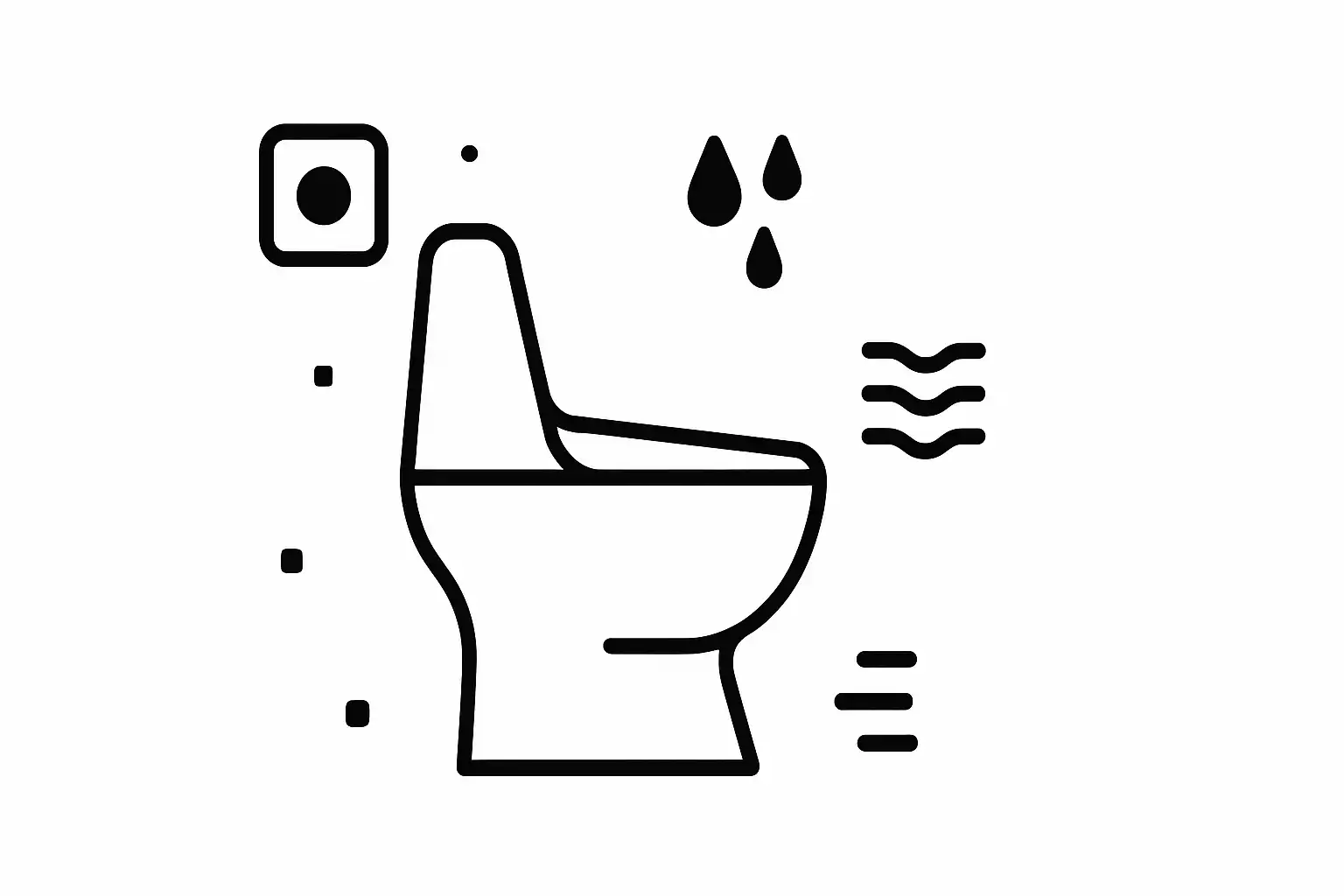
A smart toilet is a technology-driven fixture designed to handle many everyday bathroom tasks automatically. It typically includes an integrated bidet nozzle that lets users control water temperature, pressure, and spray direction with precision.
Most models also feature air dryers that replace toilet paper, heated seats for comfort during colder months, and motion sensors that lift or close the lid as someone approaches or leaves.
Some advanced versions go further with UV sterilization to disinfect both the bowl and the bidet nozzle after every flush. Inside, a small processor manages these features, responding to commands through buttons, remotes, or even voice control in certain systems. Many smart toilets also enter a low-power standby mode to reduce electricity use when idle.
Maintenance is pretty easy because self-rinsing cycles clean internal components and prevent buildup. In practice, a smart toilet merges automation with hygiene, giving users a cleaner experience with minimal effort.
What Is a Traditional Toilet?
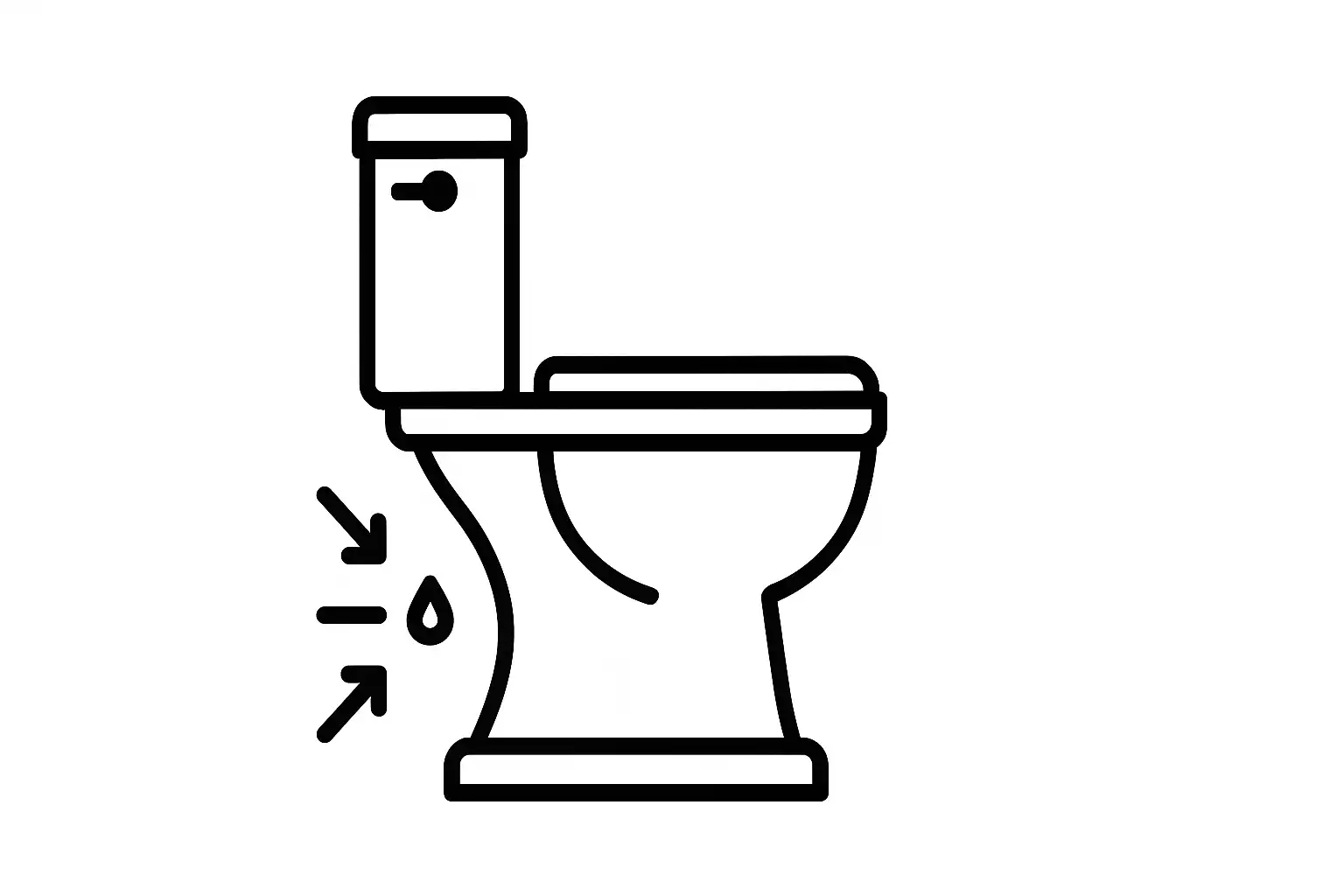
A traditional toilet operates through a basic mechanical system that uses water and gravity to flush waste. It usually consists of a tank, bowl, and flush handle or button. Most models are either one-piece or two-piece designs and may include single or dual-flush options to manage water usage.
The setup is straightforward, making repairs and part replacements simple. While it lacks the automation of modern models, its durability, compatibility with standard plumbing, and low installation cost keep it the most common choice in homes worldwide.
Key Differences — Smart Toilets vs. Traditional Toilets
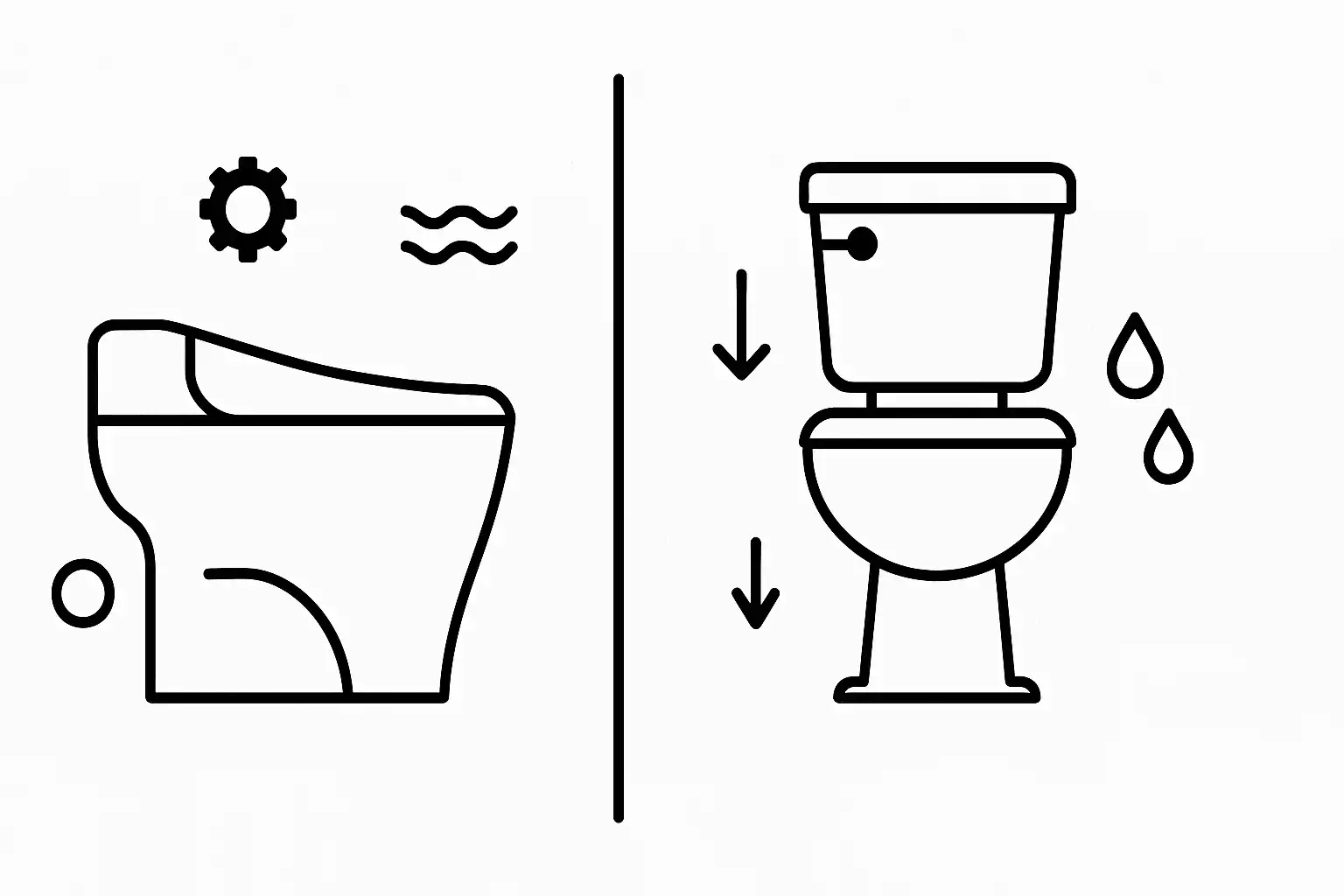
Smart and traditional toilets differ in how they handle operation, comfort, maintenance, and cost. The table and list below outline the main distinctions clearly:
| Feature | Smart Toilet | Traditional Toilet |
| Operation | Uses sensors, remotes, or touch panels for automatic functions | Operated manually with a lever or button |
| Water Use | Often uses controlled or minimal water per flush | Depends on tank size; may use more water |
| Cleaning | Self-cleaning bowls and nozzles | Manual cleaning required |
| Comfort Features | Heated seat, bidet, air dryer, deodorizer | Basic seat, no additional comfort functions |
| Power Source | Requires electricity | No power required |
| Installation | Needs electrical and plumbing setup | Standard plumbing only |
| Maintenance | Automated systems reduce cleaning effort | Periodic manual cleaning and repairs |
| Cost | Higher upfront price | Lower purchase and installation cost |
Pros and Cons of Smart and Traditional Toilets
Smart toilets and traditional toilets both meet the same goal but differ greatly in how they function, what they require, and what they offer. Here’s a closer look at their specific advantages and drawbacks from real-world use.
Pros of Smart Toilets
- Advanced Hygiene Control: Many models use self-cleaning nozzles and antimicrobial materials to prevent residue and bacterial buildup.
- Comfort Adjustability: Temperature, water pressure, and seat warmth can all be adjusted for personal comfort.
- Automatic Lid and Flush: Motion sensors open, close, and flush without any manual contact.
- Bidet Functionality: Integrated water jets reduce toilet paper use and are gentler on the skin.
- Smart Water Management: Some units measure the exact water needed per flush, avoiding waste.
- Deodorizing Systems: Activated carbon filters or air circulation systems neutralize odors continuously.
- Night Illumination: Subtle LED lights improve visibility without harsh brightness.
- Quiet Operation: Slow-closing lids and silent flush mechanisms minimize bathroom noise.
- Energy-Saving Modes: Power-saving settings lower electricity use when not active.
- Accessible Design Options: Automatic controls are easier for older adults or those with mobility challenges.
- Self-Diagnosis Function: Internal sensors can detect leaks or faults early and display alerts.
Cons of Smart Toilets
- Dependence on Power Supply: Without electricity, many functions—including the bidet toilet seat—stop working.
- Complex Installation: Requires both plumbing and electrical access, often needing a professional installer.
- Potential Maintenance Delays: Specialized parts may need to be ordered directly from the manufacturer.
- Moisture Sensitivity: Electrical components can be affected by humidity if not sealed properly.
- Software Glitches: Smart functions can freeze or reset, especially in older models.
- Higher Repair Skill Needed: Not all plumbers are trained to handle electronic toilets.
- Weight and Size: Smart toilets can be heavier and may not suit small bathrooms.
- Cleaning Around the Base: The sleek design often leaves tight gaps that are harder to reach.
- Replacement Costs: When parts like sensors or heaters fail, replacements can be costly.
- Limited Aesthetic Variety: Fewer styles compared to the wide range of standard toilets.
Pros of Traditional Toilets
- Affordable Price Range: Suitable for any budget, with a wide selection of models and finishes.
- Proven Longevity: Basic mechanics can last decades with proper care.
- Easy Access to Parts: Components are widely available at hardware stores.
- No Dependency on Power: Always operational, even during outages or in rural setups.
- Flexible Design Options: Available in different shapes, heights, and flush types.
- DIY-Friendly Repairs: Common issues like leaks or clogs are simple to fix.
- Compact Versions: Ideal for smaller bathrooms or limited floor space.
- Predictable Operation: No digital controls or software, reducing user confusion.
- Low Long-Term Maintenance Cost: Replacement parts and service are inexpensive.
- Durable Materials: Porcelain and ceramic bowls resist scratches and staining.
- Compatibility: Works with almost all standard plumbing systems worldwide.
Cons of Traditional Toilets
- Less Hygienic Design: Manual flushing and cleaning increase contact points for germs.
- Inconsistent Water Efficiency: Some older designs use more water than necessary.
- Manual Maintenance: Regular scrubbing, descaling, and bowl cleaning are required.
- Cold Seat Surface: Lacks any form of heating or comfort adjustment.
- Noise Level: Standard flush mechanisms can be loud, especially in small spaces.
- Limited Accessibility: May not suit users with restricted mobility or chronic pain.
- Odor Retention: No built-in deodorizing or ventilation system.
- Wear on Seals and Valves: Frequent use leads to leaks or slow flushing over time.
- Less Modern Appearance: Basic structure may not fit well with updated bathroom interiors.
- No Automation or Smart Monitoring: Cannot detect leaks, overflows, or usage patterns automatically.
- Water Pressure Dependency: Performance may vary if the household water pressure is inconsistent.
Who Should Buy a Smart Toilet and Who Shouldn’t?
A smart toilet can be a strong investment for certain households, but not everyone will benefit equally from its features. The decision largely depends on usage habits, household size, and budget.
A smart toilet is a good choice for:
- Homeowners prioritizing hygiene: The self-cleaning, bidet, and sterilization functions suit those who value cleanliness and minimal manual upkeep.
- People with mobility limitations: Automatic lids, flushing, and washing reduce the need for bending or reaching. You could also get toilet seat risers for added convenience.
- Tech enthusiasts: Those who appreciate connected home devices often enjoy the automation and customization.
- Families with children or elderly members: Features like adjustable water pressure and seat heating improve comfort for all ages.
- Renovations with electrical access: If you’re already upgrading your bathroom with power outlets nearby, installation becomes simpler.
- Water-conscious households: Many models allow precise water use per flush, which can lower utility bills over time.
A traditional toilet remains better for:
- Budget-conscious buyers: The initial cost and installation fees for smart toilets can exceed what some are willing to spend.
- Small bathrooms: Compact spaces may not accommodate the larger body and power connections of smart models.
- Rental properties: Simpler units are easier to maintain and replace between tenants.
- Areas prone to power outages: Since smart toilets rely on electricity, they may not be reliable in those regions.
- People who prefer simplicity: Some users find advanced features unnecessary or overly complicated for daily use.
Conclusion
Smart toilets bring automation, hygiene improvements, and comfort upgrades that make daily use more convenient, but they come at a higher cost and require electrical access. Traditional toilets, by contrast, rely on simple mechanics—affordable, long-lasting, and easy to maintain.
The choice depends on what matters more: technological convenience or straightforward practicality. For homes seeking cleaner, low-effort operation, a smart toilet is worth considering. For those prioritizing dependability and low upkeep, a traditional toilet remains a solid, time-tested option.
FAQ
No. Most models consume very little power and include energy-saving standby modes. Electricity use mainly depends on how often features like heated seats or air dryers are used.
On average, they can last 10–15 years. Electronic components might need servicing sooner, but the ceramic base often lasts as long as a regular toilet.
Basic flushing may still work on some models with a manual option, but advanced functions such as bidet, heating, or automatic lids will not.
They require both plumbing and electrical access, so professional installation is usually recommended. Homes without nearby outlets may need minor electrical work.
Yes. Nozzles typically self-rinse before and after each use, and some include UV sterilization or stainless steel construction to prevent bacterial growth.
Older models tend to use more, but modern dual-flush or low-flow versions can match the efficiency of many smart toilets.
This content is generated by AI, reviewed by our editorial team, and features products that have been thoroughly evaluated and chosen.