

Massage chairs have evolved far beyond simple vibrating seats. Nowadays, they incorporate features once limited to professional therapy clinics — body scanning, heat therapy, deep-tissue rollers, and even AI-based adjustment systems. With models ranging from compact recliners to full-body zero-gravity chairs, it can be difficult to identify which one actually fits your needs.
This guide breaks down the essential features, the main types, the advantages they offer, and the mistakes to avoid before spending on a high-end model.
Who Should Buy a Massage Chair in 2025?
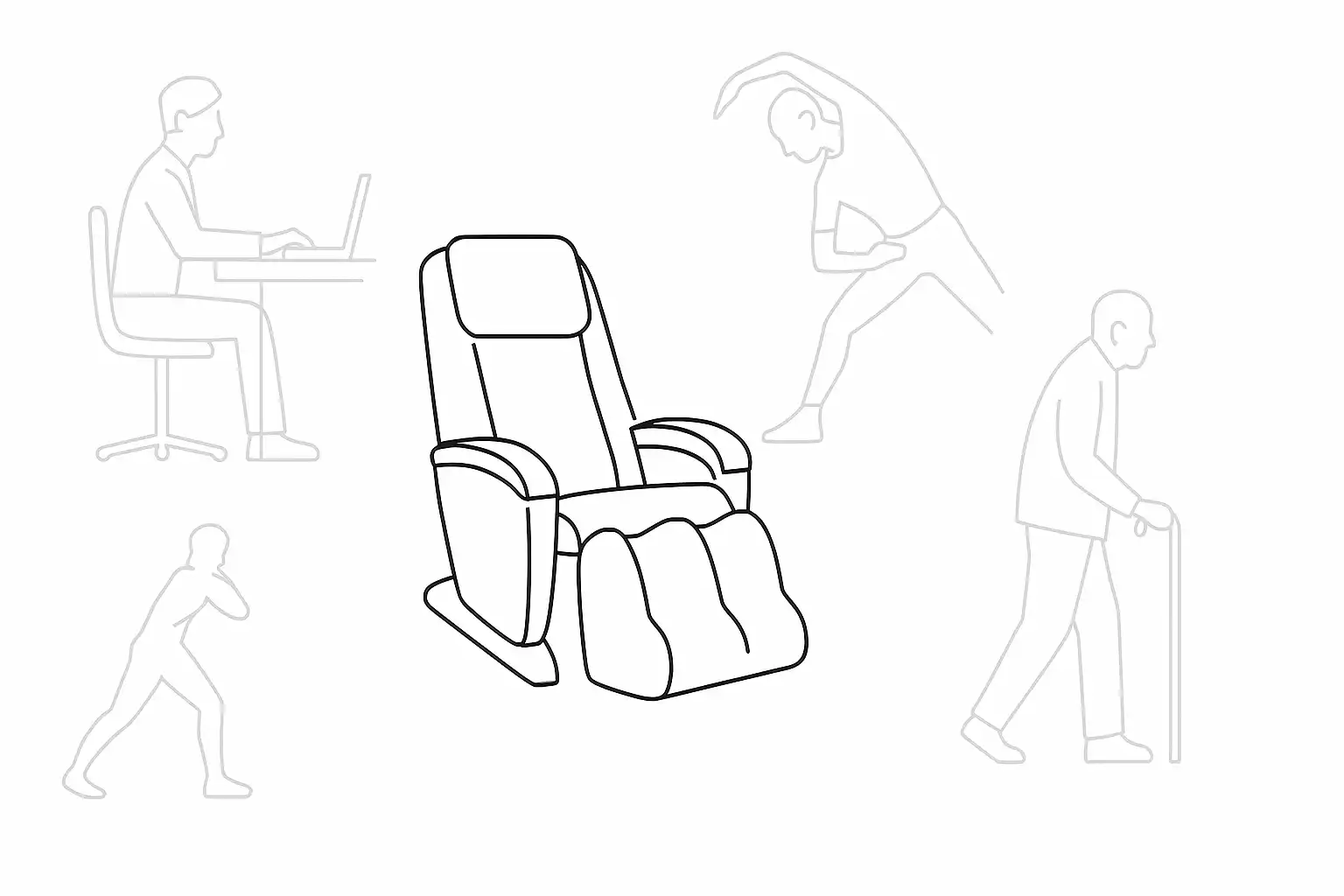
Massage chairs in 2025 are designed for a wide range of users, but they serve certain groups especially well. Regular use can help relieve muscle tension, improve posture, and reduce the impact of long sitting hours. Here’s who benefits most:
- Office workers and remote professionals: Helps ease back and neck strain from sitting at a desk all day.
- Athletes and active individuals: Useful for post-workout recovery by relaxing deep muscle tissue and improving blood flow.
- Older adults: Supports circulation, flexibility, and relief from joint stiffness.
- People managing chronic tension or fatigue: Consistent massage sessions help maintain comfort and reduce overall stress levels.
- Frequent travelers: They keep muscles loose and prevent stiffness after long flights or commutes.
- Families with multiple users: Adjustable modes and profiles let each person choose their preferred pressure and massage style.
- Individuals recovering from minor injuries: Some chairs include gentle stretch programs that promote muscle relaxation and healing.
Massage Chair Types
Massage chairs vary widely in structure and function, each catering to different comfort levels, body needs, and budgets. They can contribute greatly to your overall home wellness. Knowing the basic types helps narrow your options before comparing advanced features.
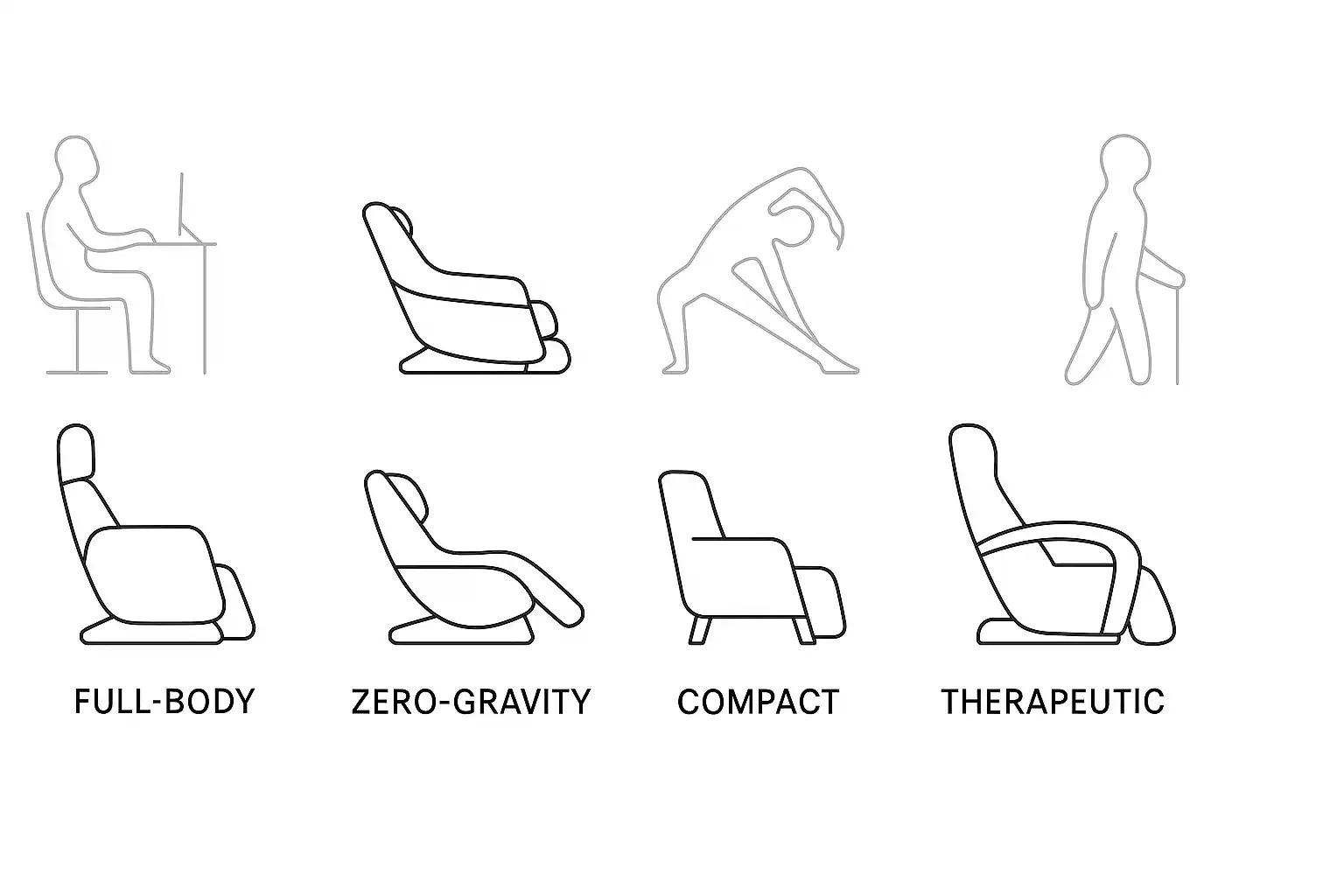
- Full-Body Massage Chairs: Designed to cover the entire body, from neck to feet. These include multiple rollers, airbags, and reclining positions, ideal for users seeking a complete massage experience.
- Recliner-Style Massage Chairs: These resemble regular recliners but include basic vibration and kneading options. They fit well in smaller spaces or living rooms without appearing overly mechanical.
- Zero-Gravity Chairs: Inspired by NASA’s recline position, they elevate the legs above the heart to reduce spinal pressure and improve circulation during massage sessions.
- Compact or Portable Models: Lightweight, foldable, or cushion-based options suitable for occasional use or travel. They typically target specific zones such as the lower back or shoulders.
- Therapeutic or Medical-Grade Chairs: Built for those with chronic pain or muscle conditions. These often include heat, deep-tissue rollers, and body-scanning sensors to adjust intensity precisely.
- Luxury or AI-Integrated Chairs: The latest models use machine learning to map muscle tension and adapt programs over time, offering a more personalized massage pattern.
A comparison table can help visualize how these types differ:
| Type | Coverage | Ideal For | Space Needs | Price Range |
| Full-Body | Head to feet | Daily use, full relaxation | Large | $$$$ |
| Recliner-Style | Back and legs | Light use, casual comfort | Medium | $$ |
| Zero-Gravity | Full body | Circulation and spinal relief | Large | $$$ |
| Compact | Targeted zones | Occasional use, travel | Small | $ |
| Therapeutic | Full body | Pain management, recovery | Medium–Large | $$$$ |
| Luxury/AI | Full body | Adaptive, data-based massage | Large | $$$$+ |
Key Features to Look For in a Great Massage Chair
Modern massage chairs combine mechanical precision with comfort-focused engineering. The right mix of features determines how natural the massage feels and how well it suits your body type. Below are the most important details to check before buying.
Track Type — S-Track, L-Track, SL, Dual Track
The “track” describes how the rollers move along your spine.
- S-Track: Follows the natural S-curve of the spine from neck to lower back, delivering even pressure along each vertebra.
- L-Track: Extends from the neck down to the glutes and upper thighs, ideal for people who hold tension in the hips.
- SL-Track: A hybrid system that combines the contour-fitting of an S-Track with the length of an L-Track, offering full spinal and glute coverage.
- Dual Track: Uses separate roller paths for upper and lower zones, allowing different intensities for the back and lower body.
Roller Mechanisms — 2D, 3D, 4D, 5D
Rollers mimic a therapist’s hands, and the “D” levels show how much motion control the system provides.
- 2D: Moves up and down, left and right — basic but reliable.
- 3D: Adds depth, meaning rollers can press further into muscles for a deeper massage.
- 4D: Introduces variable speed and rhythm, letting the rollers slow down or accelerate based on tension points.
- 5D: The latest upgrade, capable of adjusting both intensity and timing automatically for different muscle groups.
Airbags & Compression Systems
Inflatable airbags target areas that rollers miss, such as shoulders, arms, hips, and calves. By inflating and deflating in rhythm, they apply gentle compression that boosts circulation and loosens stiff joints. Higher-end models include separate air chambers that adjust independently, allowing more natural pressure variation across the body.
Heat / Thermotherapy, Stretch Programs, Zero Gravity
Heat therapy softens muscle fibers and increases blood flow, particularly in the lumbar and leg areas. Stretch programs combine recline and roller movement to lengthen the spine gently. The zero-gravity position, where legs are raised above the heart, reduces spinal load and enhances relaxation — especially when paired with slow kneading cycles.
Automatic Body Scanning & Custom Modes
Before each session, sensors measure the user’s height, shoulder width, and curvature to set precise roller positions. This prevents strain from misplaced pressure and tailors each massage to the user’s frame. Some models store multiple profiles so each household member can access their preferred intensity and sequence instantly.
Foot & Calf Massage + Roller Designs
The lower section is crucial for circulation. Foot rollers knead the arches, while calf airbags or rotating rollers compress and release muscles to improve venous return. Newer chairs include reflexology nodules that target pressure points, helping relieve fatigue after standing or walking for long hours.
Remote, App Control, Connectivity, Noise Levels
Control options range from basic remotes to mobile apps that adjust strength, roller path, and duration. Bluetooth speakers allow background music or guided breathing programs. Quieter motors and sound-insulated frames are worth noting for shared spaces. A well-designed control system should be responsive, easy to read, and stable — avoiding lag between adjustments.
Common Mistakes to Avoid When Buying a Massage Chair
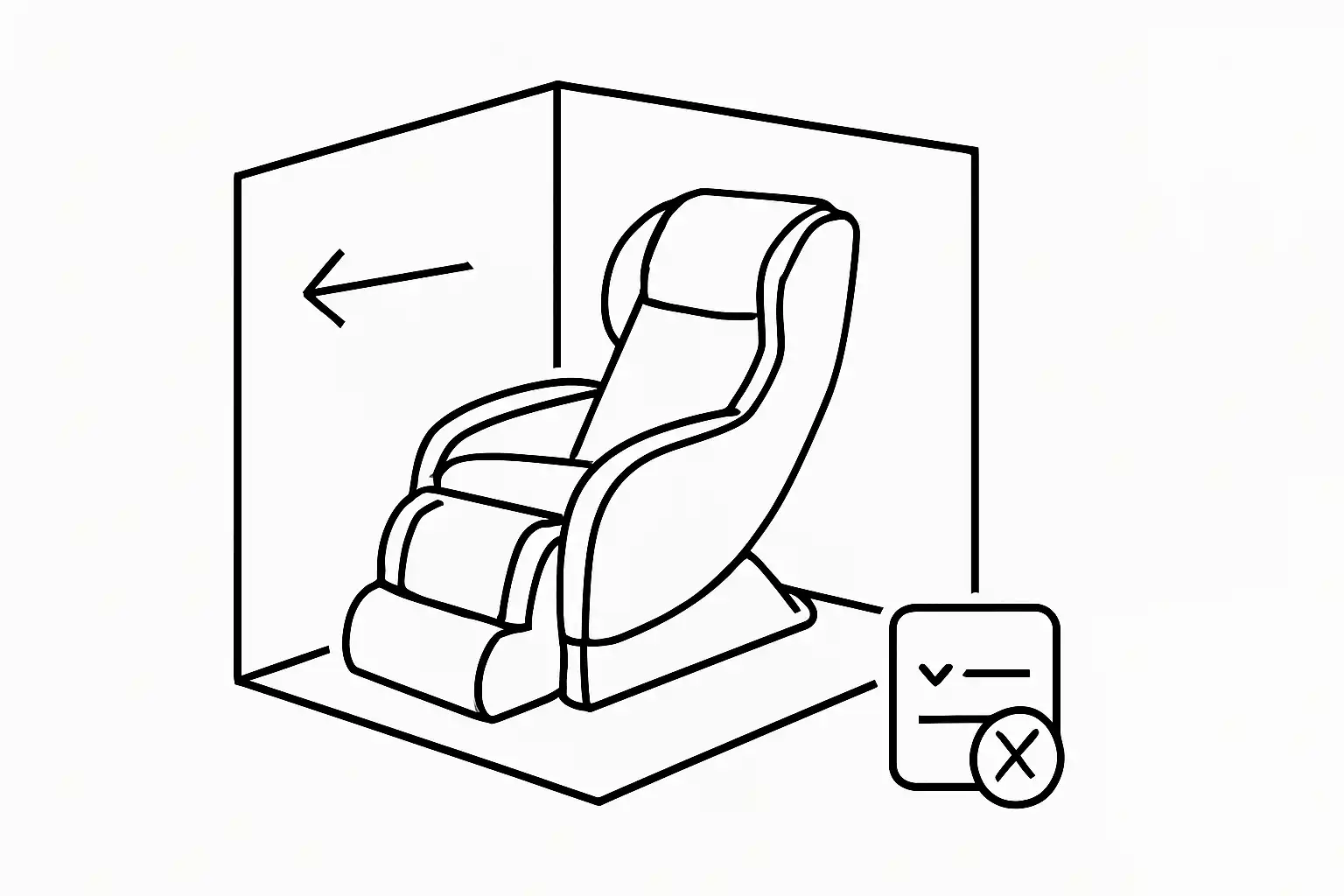
Many buyers focus on luxury features and overlook essential details that determine long-term satisfaction.
Some of the most frequent mistakes include:
- Ignoring size and space: Massage chairs are larger than they appear online. Measure your area and account for full recline distance before purchase.
- Choosing looks over function: A stylish design means little if the roller path or airbag placement doesn’t fit your height or body type.
- Skipping warranty details: Electronics and motors can fail; always check coverage length and service terms.
- Overestimating usage: Expensive models with advanced features may go underused if you only plan short, occasional sessions.
- Underestimating maintenance: Some chairs need regular cleaning of upholstery or filter replacements for air modules.
- Buying without testing: If possible, try different models in-store or through trial programs before finalizing.
- Ignoring noise and comfort: Even top-rated chairs can be loud or have firm cushioning that doesn’t suit every user.
How to Choose the Right Chair for Your Needs
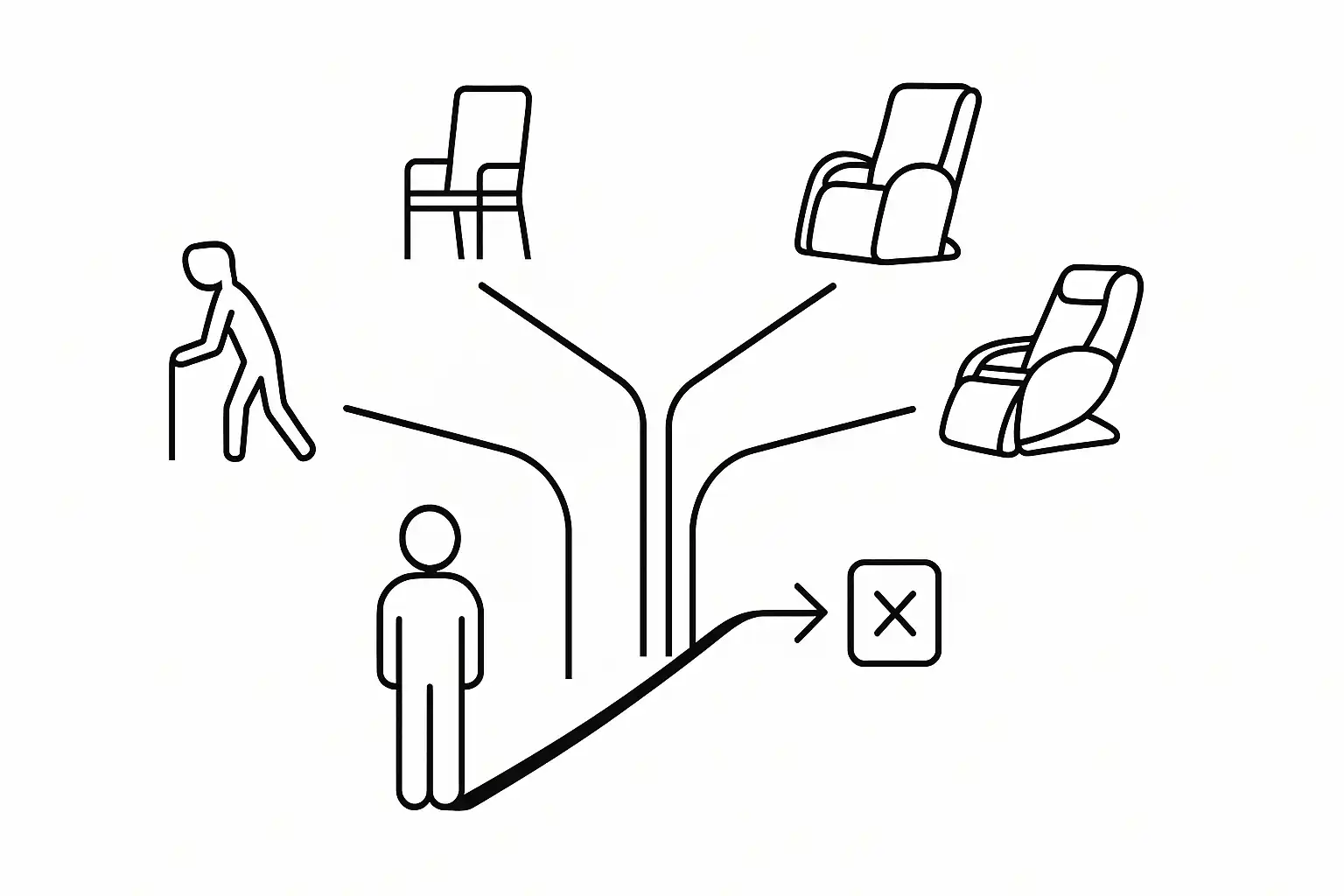
Start by identifying your main goal — pain relief, stress reduction, or general relaxation. Then match features accordingly:
- For back pain: Focus on SL-Track or 4D roller models with heat therapy and lumbar focus.
- For circulation issues: Look for full-body airbags and zero-gravity recline.
- For relaxation or casual use: 2D or 3D chairs with preset programs are sufficient.
- For multiple users: Models with body-scanning and saved user profiles adapt easily across sessions.
- For smaller homes: Compact or wall-hugging chairs save space without losing comfort.
Conclusion
Massage chairs in 2025 combine comfort, technology, and therapy-grade precision into a single unit. Choosing correctly depends on understanding your body’s needs and matching them to features that genuinely improve comfort. A well-selected chair can replace regular massage appointments, relieve tension, and improve rest quality.
However, it’s worth testing different models, comparing warranty options, and considering both size and practicality before deciding. When chosen wisely, a massage chair becomes not just a luxury but a reliable part of everyday health maintenance.
FAQ
Most users find 15–30 minutes per session, a few times a week, works best. Overuse can cause soreness, so start gradually.
Generally, yes, but anyone with heart problems, implants, or recent surgeries should consult a doctor first.
With regular care, quality models last 10–15 years. Motorized components may require servicing within that time.
Yes, consistent use can reduce muscle tension, promote circulation, and ease mild to moderate pain, especially in the lower back.
Basic models start around $700, while premium chairs with full-body coverage and AI features can exceed $5,000.
It can supplement regular treatment but shouldn’t replace medical or physical therapy for serious conditions.
This content is generated by AI, reviewed by our editorial team, and features products that have been thoroughly evaluated and chosen.